Introduction
Hybrid workout plans are quickly becoming the future of fitness. Instead of locking yourself into one style—like bodybuilding, CrossFit, or endurance running—hybrid training combines the best of all worlds. The result is a workout style that builds strength, speed, endurance, and resilience all at the same time.
For anyone preparing for hybrid races, obstacle courses, or simply looking for a well-rounded training approach, hybrid workout plans offer the perfect balance. They are adaptable, scalable, and exciting enough to keep you motivated long-term. In this blog, we’ll explore what hybrid workout plans are, why they’re effective, and how you can start implementing them into your own routine.
What Are Hybrid Workout Plans?
At their core, hybrid workout plans are designed to integrate multip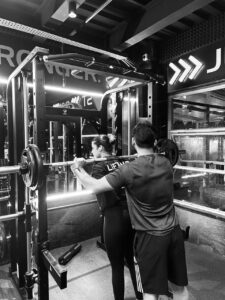 le training methods. The most common blend includes:
-
Strength training: Lifting weights or doing resistance exercises to build muscle and power.
-
Endurance workouts: Running, cycling, rowing, or swimming to increase stamina.
-
Functional training: Movements like sled pushes, kettlebell swings, and carries that mimic real-life physical challenges.
-
Mobility and recovery drills: Yoga, stretching, or foam rolling to support joint health and prevent injuries.
This combination creates a program that not only makes you strong, but also makes you capable in a wide variety of physical demands.
Why Hybrid Training Works
Traditional training often creates specialists. A powerlifter may be incredibly strong but struggles with running a mile. A marathon runner can go the distance but lacks muscle strength. Hybrid training solves this problem by preparing the body for everything.
Here’s why it works:
-
Balanced fitness: It prevents weaknesses in your overall fitness profile.
-
Functional strength: You’re training your body for real-world challenges, not just gym numbers.
-
Adaptability: Life, sports, and races often demand more than one skill at a time—hybrid workouts prepare you for this.
-
Constant variety: The mix of training styles keeps boredom away and motivation high.
Benefits of Hybrid Workout Plans
Hybrid workout plans go beyond looking fit—they help you perform and live better.
-
Improved athletic performance: You gain both power and endurance, a rare combination.
-
Mental toughness: Switching between different training methods challenges your discipline.
-
Time efficiency: You can train multiple fitness areas in fewer sessions.
-
Long-term sustainability: Hybrid training reduces overuse injuries by varying the intensity and type of workouts.
-
Better health outcomes: Strength, cardio, and mobility together promote heart health, joint health, and muscular balance.
Whether you’re training for a hybrid race or just want to be “fit for life,” the benefits extend well beyond the gym.
Sample Hybrid Workout Plan
Here’s an example of what a week of hybrid training might look like:
-
Day 1 – Strength Focus: Deadlifts, bench press, pull-ups, weighted carries.
-
Day 2 – Endurance Conditioning: 5K run or interval sprints.
-
Day 3 – Mobility & Recovery: Yoga, stretching, foam rolling.
-
Day 4 – Hybrid Circuit: Sled pushes, kettlebell swings, burpees, rowing machine.
-
Day 5 – Strength & Speed Mix: Squats, lunges, box jumps, short sprints.
-
Day 6 – Long Endurance: 60–90 minutes of steady-state cycling, swimming, or running.
-
Day 7 – Rest or Active Recovery: Light walk, stretching, or easy yoga.
This type of plan ensures you’re building muscle, improving stamina, and staying mobile, without overloading any one system.
Hybrid Training and Race Preparation
Hybrid workout plans are especially popular among people training for hybrid races like HYROX or obstacle courses like Spartan Race. These events demand a mix of running endurance and functional strength. For example, you might have to run 1 km and then immediately push a heavy sled.
Without hybrid training, you’d struggle—too much endurance and you lack strength, too much strength and you gas out on the runs. Hybrid workout plans directly prepare you for these challenges by mimicking race demands in training.
Common Mistakes in Hybrid Training
While hybrid training is powerful, many people make mistakes that limit their progress:
-
Doing too much too soon: Mixing strength and cardio is intense. Progress gradually.
-
Ignoring recovery: With hybrid training, rest days and mobility work are critical.
-
Lack of structure: Randomly combining workouts isn’t hybrid training—it’s chaos. Following a structured plan keeps balance.
-
Neglecting nutrition: A hybrid athlete needs fuel—protein for muscle repair, carbs for endurance, and fats for recovery.
Avoid these mistakes, and your results will skyrocket.
How Our Workshops Can Help
If you’re new to hybrid training, getting started can feel overwhelming. That’s why our in-person workshops are designed to help you learn proper techniques, structure your workouts, and train in a supportive community.
At our workshops, you’ll:
-
Learn hybrid training methods directly from experienced coaches.
-
Practice real race-style circuits under guidance.
-
Receive feedback on your form and performance.
-
Train alongside others with similar goals.
-
Walk away with a personalized plan to continue at home.
Workshops give you the practical experience that online tutorials can’t provide, bridging the gap between theory and execution.
Conclusion
Hybrid workout plans are more than just a fitness trend—they’re the future. By blending strength, endurance, mobility, and functional training, they create a complete athlete ready for any challenge.
Whether your goal is to compete in hybrid races, stay fit for everyday life, or simply find a training style that never gets boring, hybrid training is the answer. Pairing a structured plan with the support of in-person workshops ensures you train smarter, stay motivated, and achieve sustainable results.
So, if you’re ready to step into the next generation of fitness, it’s time to embrace hybrid workout plans—and maybe join us at our next workshop to experience it firsthand.